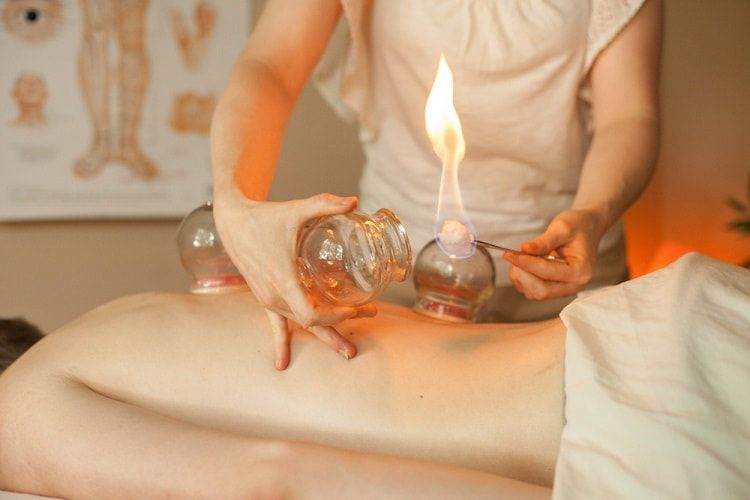
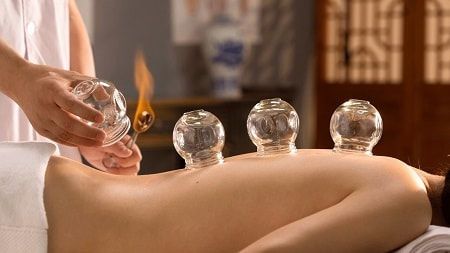
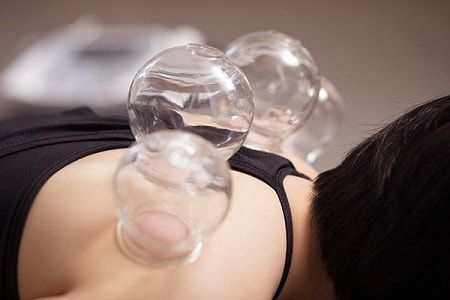
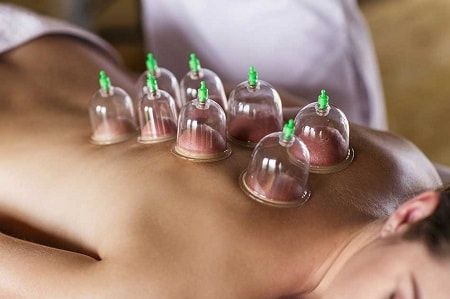
In Traditional Chinese Medicine, cupping therapy has been proven as an effective method of drawing out yin energy from the body. It is great for loosening up muscle tissues and improving blood flow. Similar to massage therapy, cupping therapy is non-invasive, relaxing, and effective. Cupping therapy aims to open up some or all of the five meridian points located on a person’s back, each responsible for the flow of Qi throughout one’s system. It works by using negative pressure that is first created by fire within a round cup made of tempered glass. The negative pressure is then applied to the patient for a period of time depending on his or her condition. What this does for the body is draw out any excess damp energy that has accumulated in various parts of the body, including the muscles of the neck and upper back as well as the lungs. Cupping therapy detoxifies the arteries and veins located in these areas, and heals the patient in the process.
History and Versions of Cupping Therapy
Cupping therapy was first recorded around 200 AD in Traditional Chinese Medicine history; however, earlier records of our ancestors using similar devices and techniques date back as early as 1550 BC in Egypt. The cups used in cupping therapy can range anywhere from animal horns and bamboo to bronze, glass or metal cups. Recently, cups with hand-held pumps have also been used in conducting cupping therapy. There are several versions of cupping therapy, ranging from dry and wet cupping to fire cupping.
At Oncare Wellness Clinic, we typically perform cupping therapy for patients who are experiencing pain in the neck, stiff muscles in the back, or congestion in the chest. Cupping is extremely effective in treating illnesses related to pain and congestion caused by the stagnation of Qi. In Traditional Chinese Medicine, there’s a saying that pain comes from the stagnation of Qi, and when you remove the stagnation, you remove the pain. Similar to massage therapy, cupping relaxes the muscles where the cups are placed. Unlike massage therapy, however, cupping therapy uses negative pressure instead of applying pressure to the body. As such, after a cupping therapy session, it is quite common to see bruises where the cups were placed for about a week or two, depending on the rate at which a person heals. Fear not: bruising is common but harmless when it comes to cupping therapy. This is because when negative pressure is applied for a deep tissue massage that is able to affect up to four inches beneath the skin, some small blood vessels near the surface of the skin may break, causing bruising. Some would even argue that because of the bruising, toxins are released in the blood vessels, allowing stagnant blood to move again and relieving the patient of their symptoms.
For a complete list of symptoms cupping therapy may be able to treat, please consult with our registered and licensed TCM doctors and acupuncturists at our clinic.
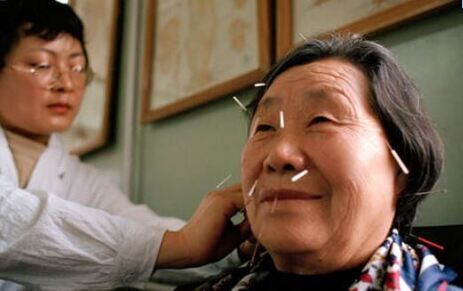
We specialize in traditional Chinese acupuncture for a variety of illnesses and conditions, as well as for improving one’s immune function and general sense of well-being. In the past, we have helped patients with their back pain, weight loss, and addiction problems with acupuncture. We have also helped patients with their fertility problems and other issues.
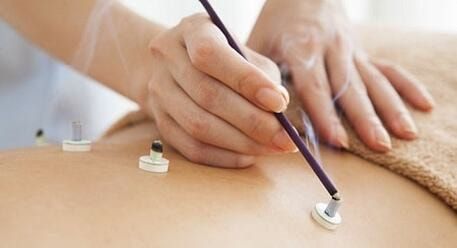
At our clinic, we use dried mugwort to introduce yang energy into a person’s body to help them with their yang deficiencies. There are several different styles of moxibustion therapy, ranging from direct moxibustion to indirect moxibustion. For the safety and effectiveness of our treatments, we only conduct indirect moxibustion therapy in conjunction with our acupuncture treatments.
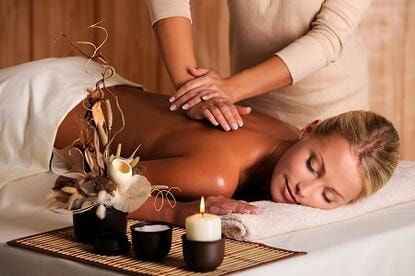
We specialize in Chinese Tui Na as well as modern massage therapy. We aim to open up meridian points throughout a person’s body using Chinese Tui Na while relaxing deep tissues with modern massage techniques. This allows improved circulation in the muscular tissues where the therapy is performed, relieving the patient of his or her muscle tension. It also allows for greater relaxation within these tissues.
We currently only offer chiropractic therapy on a by-appointment basis at our Richmond Hill acupuncture and massage clinic. Chiropractic therapy aims to realign the spine of the patient to improve various bodily functions and posture.